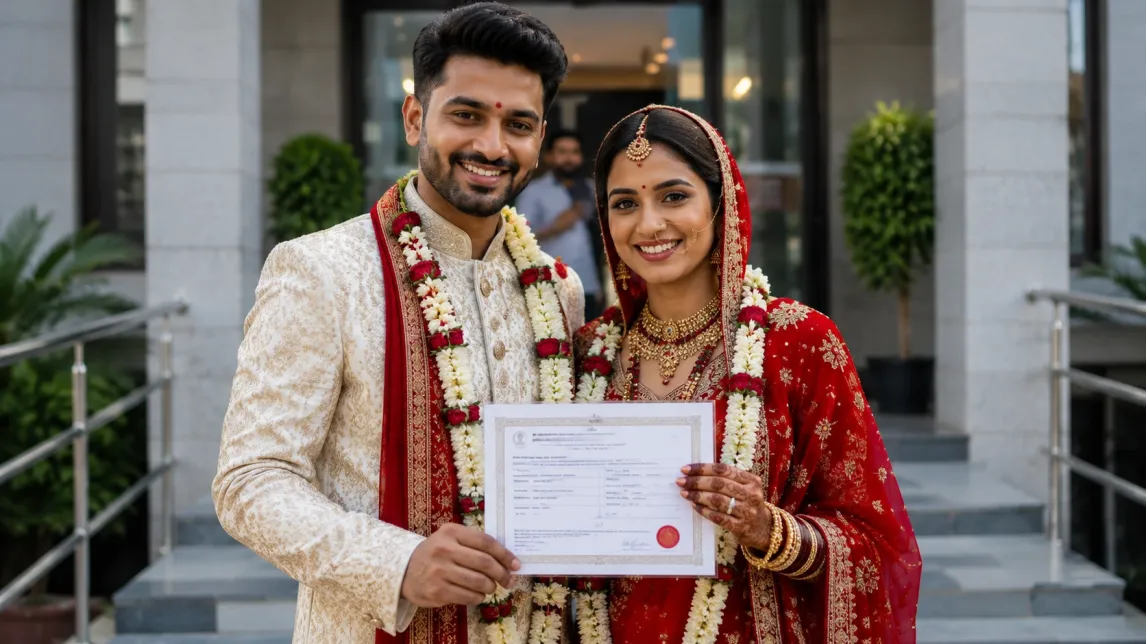




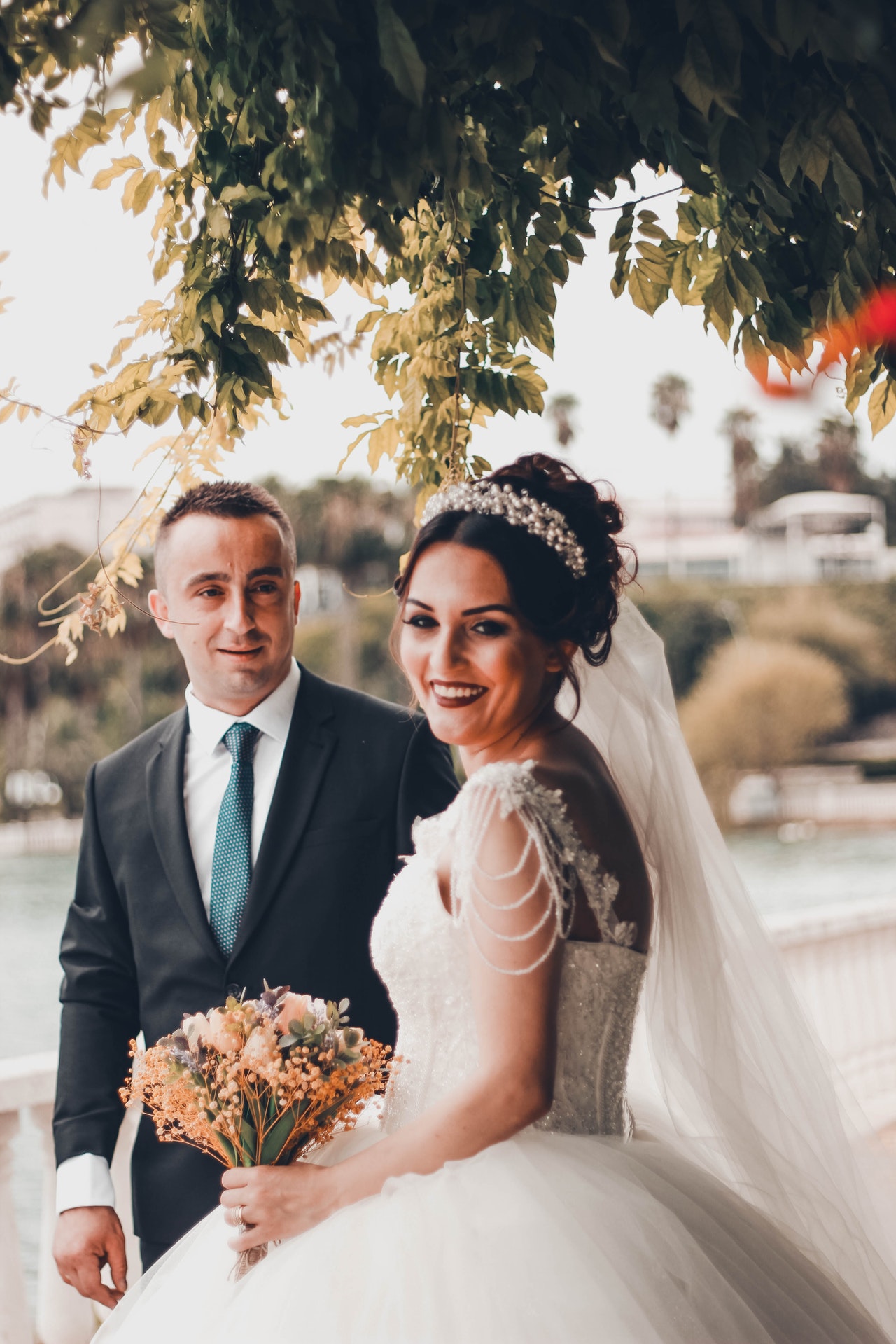

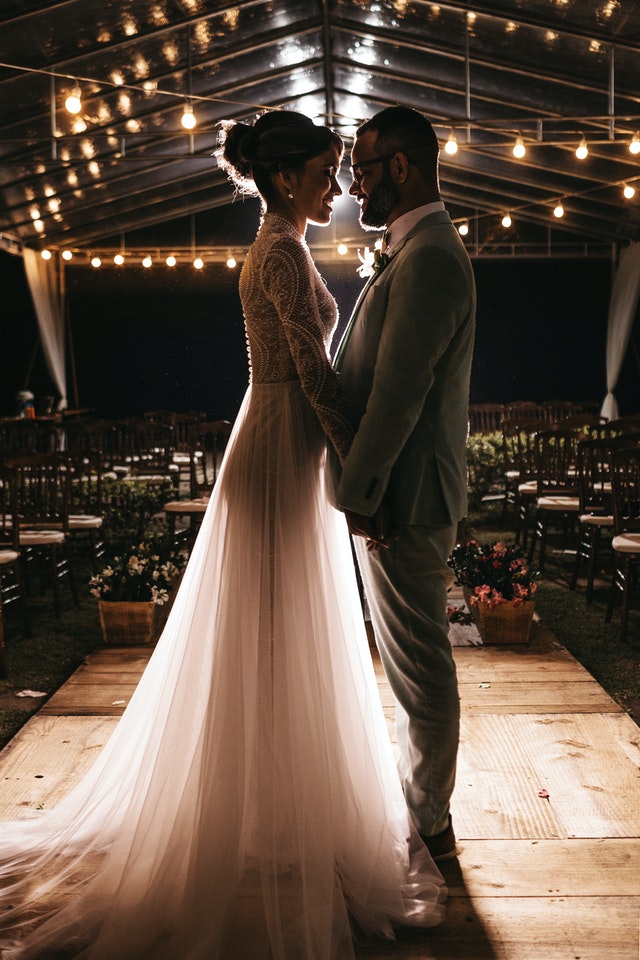


Wedding planning is one of the most exciting events in one's life, which may become stressful if not handled properly. Choosing a venue, booking vendors, picking up outfits, and setting up the budget all these steps play a crucial part in arranging your perfect day.
Indian weddings are usually large events, which include several ceremonies, follow some customs, and gather hundreds of people. As per industry statistics, the Indian wedding market generates billions of dollars each year, thus becoming one of the biggest wedding markets around the globe. Simultaneously, growing inflation and high event costs have led to the fact that many couples pay attention to combining the celebration of the marriage and financial prudence.
A dream wedding does not necessarily presuppose an expensive event. You can plan a memorable celebration, without spending unnecessary money.
This guide contains valuable tips for wedding planning that will help you arrange your perfect wedding with a reasonable budget.
Why Wedding Planning Is More Important Than Ever?
Planning your wedding involves much more than just selecting decor or a location for the reception. Planning a wedding correctly will help you to avoid any stress at the last minute, control costs, and make sure that everything will go according to plan at all the ceremonies.
Most of the time, couples begin their wedding planning just a few months prior to the wedding date and find out that all the venues, photographers, decorators, and beauticians have been taken.
Benefits of Early Wedding Planning
Planning your wedding several months in advance offers many advantages:
- Better control over your wedding budget
- More venue and vendor availability
- Reduced last-minute stress
- Better time for family coordination
- Opportunities to compare prices
- Smoother execution of wedding ceremonies
Good planning allows you to enjoy the wedding journey instead of constantly worrying about unexpected expenses.
Set a Realistic Wedding Budget First
The most crucial aspect to consider when planning weddings is making a budget.
Without booking any service providers, determine the amount of money you are willing to spend and discuss the expenses within your family.
This will assist you in prioritizing what is important.
Divide Your Budget into Categories
Instead of managing one large amount, separate your budget into different sections. Common wedding expense categories include:
- Venue booking
- Catering
- Wedding outfits
- Photography and videography
- Decoration
- Entertainment
- Invitations
- Transportation
- Makeup and grooming
- Miscellaneous expenses
Tracking each category makes it easier to stay within your overall budget.
Create a Wedding Planning Checklist
One of the simplest ways to stay organized is by preparing a detailed wedding planning checklist.
Breaking your work into smaller tasks ensures that nothing important is forgotten.
Essential Wedding Planning Tasks
Your checklist should include:
- Finalizing the wedding date
- Preparing the guest list
- Booking the venue
- Hiring photographers
- Selecting caterers
- Choosing wedding attire
- Booking decorators
- Planning invitation cards
- Scheduling pre-wedding functions
- Confirming vendor payments
Review your checklist regularly to track progress and avoid last-minute confusion.
Choose the Right Wedding Venue
The venue usually accounts for one of the largest portions of the wedding budget. Choosing the right location should depend on your guest list, budget, and preferred wedding style rather than popularity alone.

Factors to Consider Before Booking a Venue
Before confirming a venue, ask these questions:
- Does it fit your estimated guest count?
- What services are included?
- Are there hidden charges?
- Is parking available?
- Is the location convenient for guests?
- Does it offer indoor and outdoor options?
Comparing multiple venues can help you negotiate better prices and find the best value for your budget.
Save Money Without Compromising Quality
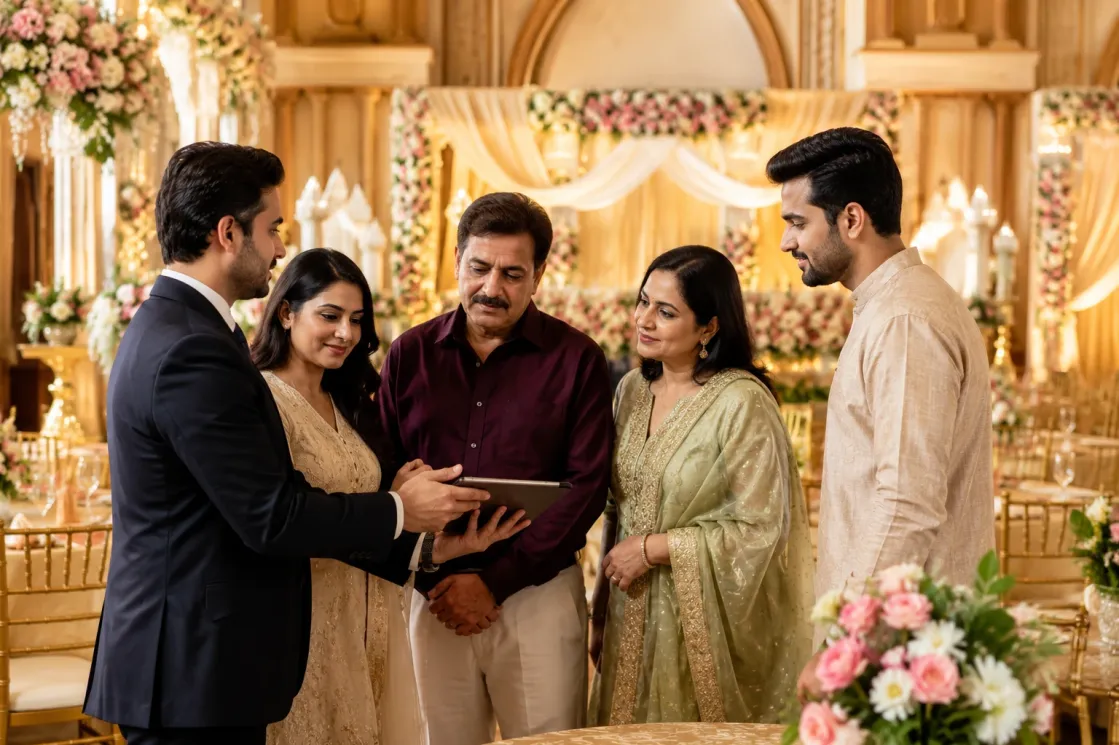
Many couples assume that reducing expenses means compromising on their dream wedding. In reality, smart wedding planning focuses on spending wisely rather than spending less.
Budget-Friendly Wedding Planning Tips
You can reduce costs by:
- Booking vendors early
- Choosing off-season wedding dates
- Limiting unnecessary decorations
- Using digital invitations alongside printed cards
- Comparing multiple vendor quotations
- Renting certain wedding accessories instead of buying them
- Prioritizing experiences over luxury items
Small savings across different categories can significantly reduce your overall wedding expenses.
Select Reliable Wedding Vendors
Your vendors play a major role in making your wedding successful. From photographers to caterers, every service provider should be selected after careful research.
How to Choose the Right Vendors ?
Before making a booking:
- Read customer reviews.
- Ask for previous work samples.
- Compare multiple quotations.
- Understand payment terms.
- Confirm cancellation policies.
- Request a written agreement.
Reliable vendors not only deliver quality services but also reduce the chances of unexpected problems on your wedding day.
Plan Together as a Couple
Modern wedding planning is no longer handled only by families. Today's couples actively participate in making decisions that reflect their personalities, values, and future goals.
Communication Makes Wedding Planning Easier
Discuss important topics together, including:
- Budget priorities
- Guest list size
- Wedding style
- Venue preferences
- Photography expectations
- Family traditions
- Post-wedding financial plans
Planning as a team helps avoid misunderstandings and creates a celebration that both partners genuinely enjoy.
A Unique Perspective The 70-20-10 Wedding Budget Rule
Every couple wants a memorable wedding dream, but many overspend because they do not have a clear financial strategy. A simple way to manage expenses is to follow the 70-20-10 Wedding Budget Rule.
Understanding the 70-20-10 Rule
Think of your wedding budget in three parts:
70% - Essential Wedding Expenses
Spend most of your budget on the elements that directly affect the guest experience, such as:
- Wedding venue
- Catering
- Photography and videography
- Wedding attire
- Decorations
20% - Personal Touches
Reserve part of your budget for things that make your wedding unique.
Examples include:
- Personalized gifts
- Couple's entry
- Entertainment
- Wedding favors
- Customized decor
10% - Emergency Fund
Unexpected expenses are common during weddings. Keep at least 10% of your budget aside for last-minute requirements such as additional guests, transportation, weather-related arrangements, or vendor changes.
This budgeting approach helps couples enjoy their wedding without unnecessary financial stress.
Common Wedding Planning Mistakes to Avoid
Even with careful planning, small mistakes can increase expenses and create unnecessary pressure.
Waiting Too Long to Book Vendors
Popular wedding venues, photographers, decorators, and makeup artists are often booked months in advance. Delaying bookings may leave you with limited options and higher prices.
Ignoring Hidden Costs
Many couples budget only for major expenses and overlook costs such as:
- Service charges
- Taxes
- Delivery fees
- Transportation
- Accommodation for guests
- Last-minute purchases
Always ask vendors for a complete cost breakdown before making payments.
Inviting More Guests Than Planned
One extra guest affects catering, seating, invitations, and venue arrangements.
Prepare your guest list carefully and stick to your planned numbers to keep your wedding planning budget under control.
Create a Wedding Planning Timeline
A well-organized timeline helps ensure that every task is completed without rushing.
6-12 Months Before the Wedding
- Decide your wedding budget.
- Finalize the wedding date.
- Book the venue.
- Prepare the guest list.
- Hire major vendors.
- Start shopping for wedding outfits.
3-6 Months Before the Wedding
- Send invitations.
- Book makeup artists and photographers.
- Plan decorations.
- Arrange transportation.
- Finalize the wedding menu.
1 Month Before the Wedding
- Confirm all vendor bookings.
- Make final payments where required.
- Prepare an emergency contact list.
- Pack wedding essentials.
- Review the complete wedding schedule with family members.
Following a timeline reduces stress and ensures that every detail is taken care of before the big day.
How Your Matrimonial Journey Supports Better Wedding Planning ?
An effective marriage can be achieved only after the selection of an appropriate life partner. It all begins well before the venue gets selected for the event.
In modern times, many couples who wish to get married get introduced via matrimonial sites that allow them to speak about their future plans and other important matters related to marriage.
Plan Together From the Beginning
When couples communicate openly during their engagement or courtship period, wedding planning becomes much easier. Together, they can:
- Set a realistic budget.
- Decide on the wedding style.
- Share responsibilities.
- Respect family traditions.
- Make informed financial decisions.
Planning together not only creates a beautiful wedding but also strengthens the foundation of married life.
Conclusion
What makes a wedding memorable is not the amount of money spent; rather, it is good planning, memorable moments, and the people who attend.
Effective planning starts from having a reasonable budget, making a well-thought checklist, selecting dependable vendors, and communicating clearly with your loved ones and your fiance. Proper planning and dedication to what really matters allow you to have the wedding of your dreams without any additional stresses and expenses.
Think about your wedding day as the first day of the rest of your life together. Good planning ensures that you make the most out of your day and make memories that will stay forever.
No matter whether you decide to have a small wedding or a big celebration, proper planning is your guarantee to success.
Read Our More Blogs
Arranged Marriage Guide: Everything You Need to Know Before Saying Yes
How to Find a Genuine Life Partner: 10 Smart Tips
Courtship period before marriage: Why It's Necessary?
Frequently Asked Questions About Wedding Planning
1. When should I start wedding planning?
It is advisable that you commence wedding planning at least 6 to 12 months prior to your wedding day. This way you will have several venue choices, access to different vendors and adequate time for budget management.
2. How do I plan a wedding within my budget?
It entails drawing up a workable budget, prioritizing your expenses, shopping around for prices, booking in advance, cutting down on unnecessary costs and setting aside some money in case of emergencies.
3. What items should a wedding planning checklist contain?
A wedding planning checklist must include; the wedding date, the guest list, the venue, catering services, photographer, decor, invitations, outfits, transportation, accommodation among others.
4. Which are the most common wedding planning errors that need to be avoided?
The errors that people make include late booking of vendors, excessive spending on decorations, overlooking the hidden cost of wedding preparation, over-inviting, and lack of a plan for the event.
5. Explain how a matrimonial platform can assist with wedding planning?
A matrimonial platform helps in identifying compatible spouses, understanding the expectations of each other and developing effective communication skills prior to marriage.